

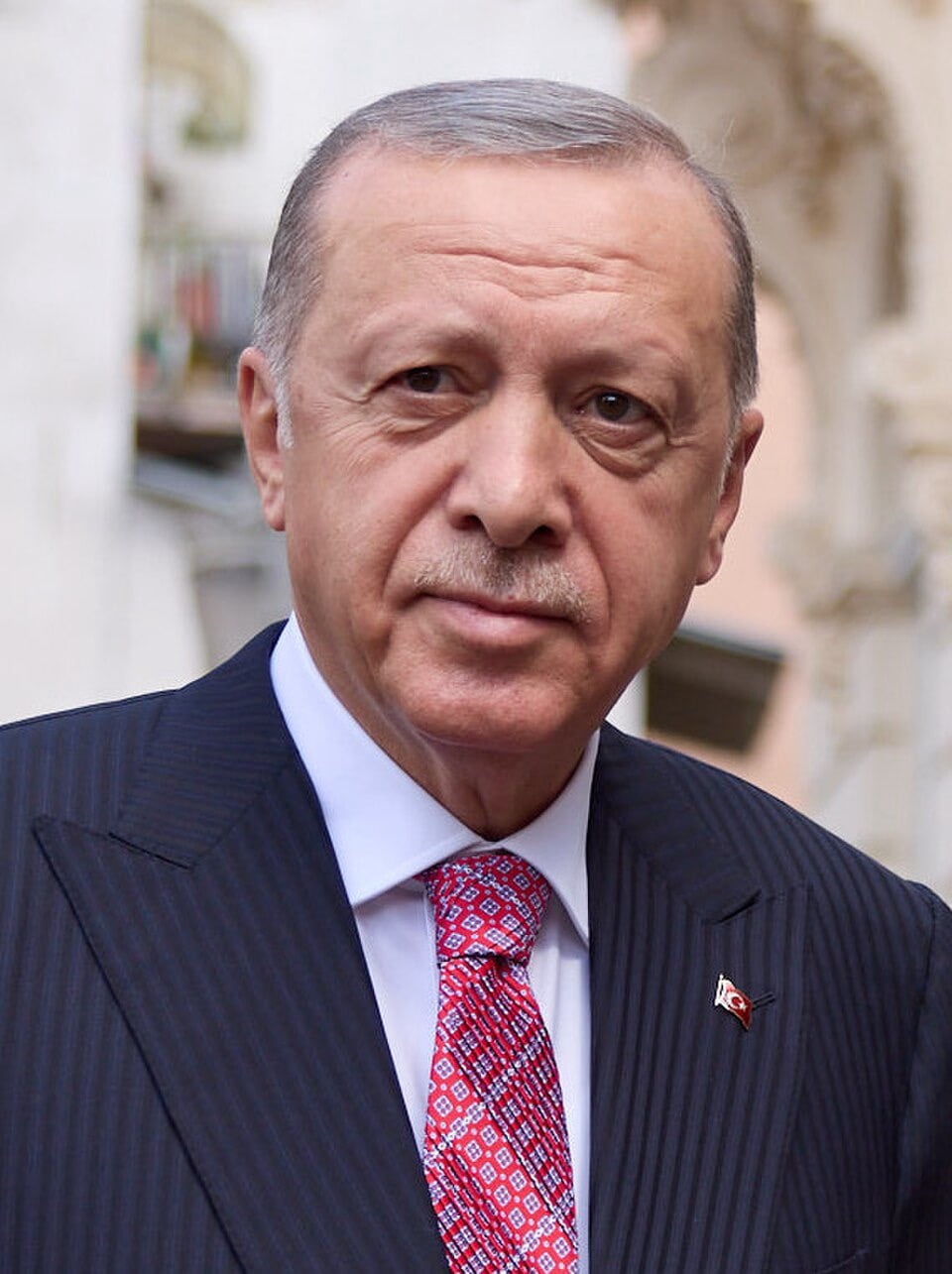
President Recep Tayyip Erdogan declared victory in Turkey’s presidential election before official results were confirmed, as opposition parties accused state media of manipulating vote counts and the vote itself was marred by arrests, allegations of fraud, and reports of a deadly altercation at a polling station.
Turkish voters went to the polls on Sunday to decide whether President Recep Tayyip Erdogan would be granted a second term, in an election marked by confusion over the vote count and open accusations of fraud from the opposition. Partial results indicated Erdogan had won, though no official confirmation had yet been issued by the time he addressed supporters and claimed victory. The vote was overshadowed by tension following arrests made the day before polling, and by reports that four people had died in an altercation at a polling station.
A historic vote under a new system
The election marked the first presidential vote held under Turkey’s newly established executive presidential system, which significantly expanded the powers of the presidency. More than 64 million voters were eligible to cast ballots, both within Turkey and at polling stations set up overseas. Erdogan campaigned for re-election on pledges of economic stability, national security and continued investment in infrastructure, while the economy emerged as one of the dominant issues of the campaign more broadly, with voters focused on inflation, the rising cost of living, unemployment and the falling value of the Turkish lira.
Tension and violence on polling day
Polling day was marked by heightened tension, coming just a day after a series of arrests. Opposition figures denounced what they described as attempted fraud during the vote, while reports emerged that four people had died in an altercation at one polling station. Voting itself took place under tight security, with thousands of police and security personnel deployed nationwide amid concerns over isolated incidents and broader political tensions. Throughout the campaign, opposition parties had also raised concerns about media bias, unequal campaign conditions, and the use of state resources in support of Erdogan’s candidacy. International election observers monitored the vote, assessing issues including ballot security, media freedom and the overall fairness of the electoral process.
Erdogan claims victory ahead of official confirmation
Despite the absence of an official declaration, Erdogan addressed supporters and claimed he had won a new mandate. “The people have given me a new mandate, according to the unofficial results,” he said, adding that he hoped no one would seek to undermine democracy by casting doubt on the election in order to disguise their own defeat.
A disputed vote count
Throughout the evening, sharply conflicting vote counts emerged from state media and opposition sources. Early updates from the state-run Anadolu news agency put the count at 86.5 per cent of votes tallied, with one Turkish television channel already declaring Erdogan the winner, even though no official result had been confirmed. The opposition, citing independent observers, disputed this figure, claiming only around 43.3 per cent of votes had actually been counted at that stage.
As the night progressed, Anadolu reported that 94 per cent of votes had been counted, putting Erdogan on 52.85 per cent, with his nearest rival trailing on 30.66 per cent. The opposition rejected these figures outright, accusing the state agency of manipulating the count and insisting that independent observers had verified only around 39 per cent of ballots as counted at that point, a discrepancy they said made a second-round runoff likely. By the final update of the night, Anadolu was reporting Erdogan on 52.72 per cent of the vote with 95.5 per cent counted, according to the Guardian, but the opposition CHP party maintained that only around half of all votes had genuinely been tallied, again raising the prospect of a runoff.
The rules governing the result
Under Turkish law, a presidential candidate must secure more than 50 per cent of the valid vote to win outright in the first round; if no candidate crosses that threshold, the top two candidates go through to a second-round runoff. Turkey’s Supreme Election Council, known as the YSK, is the body responsible for certifying the official result once objections and appeals have been reviewed. Following the close of polls, figures from both the government and the opposition urged citizens to wait for these certified results rather than relying solely on the preliminary counts being released by various media organisations. Discrepancies of this kind between unofficial vote tallies are not unusual in the early stages of counting, since different outlets often receive results from individual polling stations at different times, well before the electoral authority publishes its own certified figures.
Why the world was watching
The election drew close attention from governments around the world, given Turkey’s strategic position as a NATO member, its involvement in regional conflicts, and its significant influence over migration routes into Europe. With the final result still contested between state media and opposition-aligned observers as polls closed, the outcome of the count, and whether it would be settled outright or forced into a second round, remained one of the most closely watched developments of the night.
