

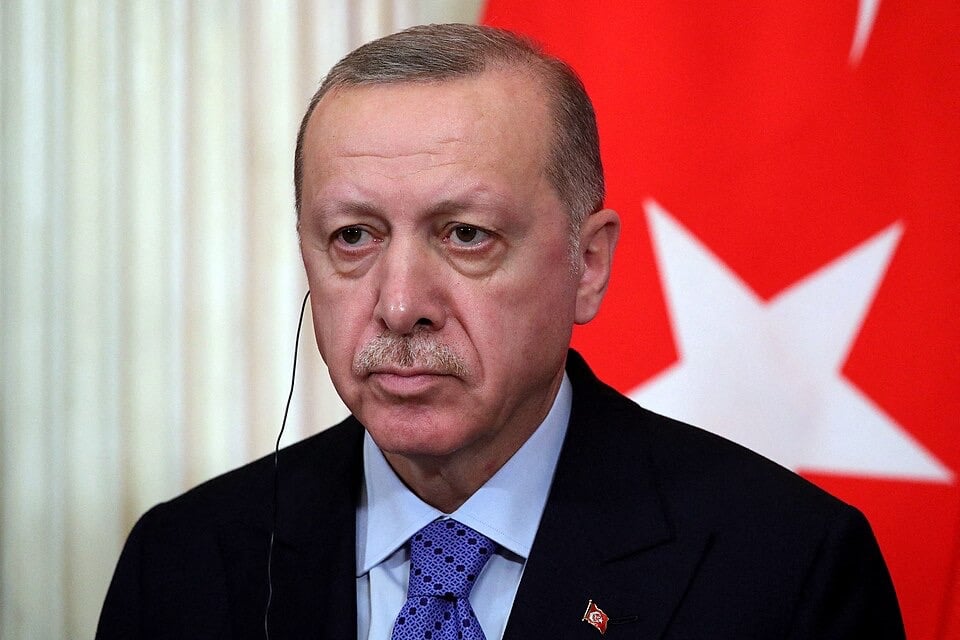
President Recep Tayyip Erdoğan said Turkish security forces have killed 5,359 people identified by Ankara as PKK militants since July last year, according to the state-run Anadolu news agency, as Turkey continues cross-border operations against the group in Iraq and Syria amid ongoing disputes over civilian casualties.
Turkish President Recep Tayyip Erdoğan said on Monday that Turkish security forces have killed 5,359 people identified as fighters for the Kurdistan Workers’ Party, or PKK, since July of last year, according to the state-run Anadolu news agency. The figures relate specifically to individuals Turkey identifies as PKK militants, rather than the wider Kurdish population, a distinction that has taken on particular significance given the decades-long and often disputed nature of the conflict between Ankara and the group.
A conflict spanning four decades
The PKK has waged an armed insurgency against the Turkish state since 1984, in a conflict that has claimed tens of thousands of lives over the past four decades. The group is designated a terrorist organisation not only by Turkey but also by the United States, the European Union and the United Kingdom. Efforts to end the fighting through negotiation broke down in 2015, when peace talks between the Turkish government and the PKK collapsed, triggering a renewed escalation in violence that has continued ever since. The conflict remains one of the longest-running internal security challenges facing Turkey, and continues to shape both the country’s domestic politics and its relations with neighbouring Iraq and Syria.
Operations extending beyond Turkey’s borders
Turkish military operations against the PKK have not been confined to southeastern Turkey, where much of the group’s historic support base lies, but have also extended into northern Iraq and parts of Syria, where Ankara says PKK-linked groups maintain operational bases. Erdoğan has repeatedly said Turkey will continue carrying out cross-border operations until what he describes as terrorist threats along the country’s borders are eliminated. In recent years, Turkey has invested heavily in drones, surveillance systems and special forces, with unmanned aerial vehicles becoming a central part of its military campaign against Kurdish militant groups.
Disputed figures and civilian casualty concerns
Kurdish political representatives and human rights organisations have frequently challenged official Turkish casualty figures, arguing that some military operations have also affected civilian communities rather than solely PKK combatants. International human rights groups have repeatedly called for independent investigations into allegations of civilian casualties arising from Turkey’s anti-PKK operations. Ankara maintains that its military campaign is necessary to protect national security, while Kurdish organisations have accused the Turkish government of using broadly worded anti-terror laws to suppress Kurdish political activism more generally, rather than solely targeting armed militants.
The wider toll of the conflict
Beyond the casualty figures themselves, the conflict has displaced thousands of people from villages across southeastern Turkey over the years, and has had a substantial economic and humanitarian impact on the wider region. With cross-border operations ongoing and no resumption of peace talks in sight, the dispute over both the true scale and the legitimacy of the campaign against the PKK looks set to remain a defining feature of Turkey’s security policy for the foreseeable future.
